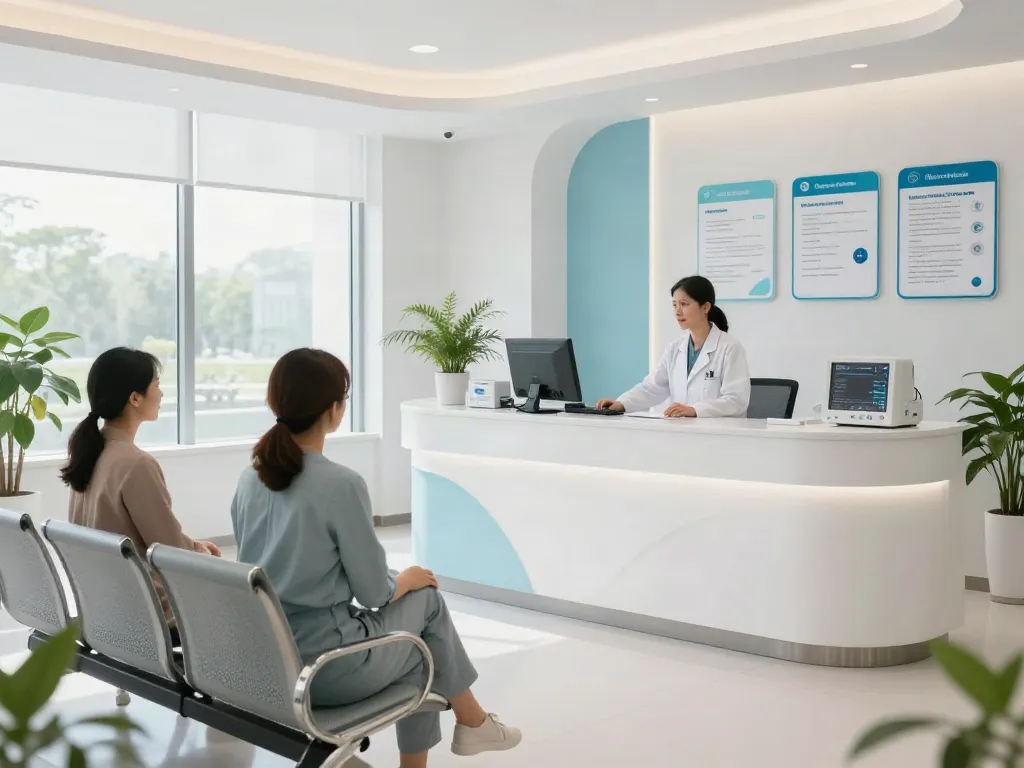
Understanding the Basics of situs slot in Healthcare
Situs slot, while traditionally associated with online gaming, is a burgeoning term that intertwines with healthcare services through the lens of patient engagement and modern healthcare investments. As healthcare continues to evolve, understanding the multiple facets of technologies like situs slot becomes critical for patients and providers alike. In this context, situs slot indicates a platform that might enhance digital interactions within the healthcare sector, providing a streamlined approach to connecting patients with essential services and improving overall patient care.
What is situs slot and its relevance to patient care?
Situs slot refers to various platforms and technologies that enable patients to access information, schedule appointments, and engage with healthcare providers digitally. These systems have gained traction in recent years as healthcare organizations strive to enhance patient engagement and streamline communication. The relevance of situs slot in patient care lies in its ability to empower patients to take control of their health through accessible information and efficient appointment scheduling, ultimately leading to improved health outcomes.
Role of technology in modern medical services
The role of technology in healthcare is pivotal as it facilitates better patient management and enhances the efficiency of healthcare delivery. Tools such as telemedicine, wearable health monitors, and electronic health records (EHR) are becoming standard. These technologies not only improve patient-doctor communication but also significantly enhance data sharing, making it easier for healthcare providers to make informed treatment decisions and ensure continuity of care.
Innovative trends in healthcare investments for 2026
Looking forward to 2026, several innovative trends are likely to shape healthcare investments, particularly in the realm of patient technology solutions. Areas such as artificial intelligence (AI), health analytics, and personalized medicine are expected to attract significant funding. These technologies promise enhanced diagnostic accuracy and tailored treatment protocols that cater to individual patient needs, thereby improving satisfaction and health outcomes.
Patient Care Best Practices with Emerging Technologies
Utilizing digital health for improved patient experiences
Implementing digital health tools can greatly improve the patient experience by simplifying access to information, educational materials, and responsive care options. These platforms can enhance communication between patients and providers, ensuring that patients feel supported and informed throughout their treatment journeys. By integrating digital health solutions, healthcare organizations can foster an environment that promotes patient-centered care and empowerment.
Personalized medicine and its financial implications
Personalized medicine uses genetic information and health data to tailor treatments to individual patients. This approach not only optimizes treatment efficacy but can also lead to cost savings by avoiding ineffective treatments. However, the implementation of personalized medicine requires initial investments in advanced technologies and data analytics, which can pose financial challenges for healthcare systems. Over time, the potential for improved patient outcomes and reduced long-term care costs often outweighs these initial investments.
Evidence-based practices in patient engagement
Adopting evidence-based practices in patient engagement ensures that healthcare providers use the best available data to inform their decisions about patient care. Engaging patients with proven strategies—such as shared decision-making, regular feedback mechanisms, and educational resources—leads to higher levels of patient satisfaction and adherence to treatment plans. These practices result from rigorous research, underscoring the necessity of integrating scientific evidence into everyday clinical practices.
Preventive Health and Wellness Screening Innovations
Advanced screening options for chronic disease management
Advancements in screening technologies have transformed chronic disease management, allowing healthcare professionals to identify potential health issues early. For example, genetic screenings for predispositions to certain conditions can guide preventive strategies, ultimately improving patient outcomes. Engaging patients in regular screenings fosters a culture of preventive health, where patients feel informed and empowered regarding their health journeys.
Cost transparency in preventive healthcare investments
Cost transparency has become essential in healthcare, as patients increasingly seek affordable options for preventive care. Providing clear information about potential costs and financing options can enhance patient trust and encourage the uptake of preventive health services. By demystifying the financial aspects, healthcare providers can support patients in making informed decisions that prioritize their health without undue financial burden.
Telemedicine and its impact on patient health outcomes
Telemedicine has revolutionized how patients access healthcare, particularly during the recent global health crisis. By facilitating remote consultations and follow-ups, telemedicine has proven effective in managing patient needs while minimizing the risk of exposure to infectious diseases. Evidence suggests that patients who utilize telemedicine exhibit comparable health outcomes to those who attend in-person appointments, highlighting its role as a crucial component in modern healthcare delivery.
Understanding the Costs and Benefits of Healthcare Investments
ROI of investing in patient technology solutions
The return on investment (ROI) for healthcare providers investing in patient technology solutions can be substantial. Technology-driven approaches can lead to reduced operational costs, improved patient satisfaction, and lower readmission rates. Analyzing the financial benefits against the costs of implementing new technologies is essential for healthcare organizations to make informed decisions that will benefit both their bottom line and the populations they serve.
Financial benefits of preventive health investments
Investing in preventive health not only benefits individual patients but can also yield considerable financial return for healthcare organizations. By addressing health issues before they escalate into more serious conditions, healthcare systems can save on the costs associated with emergency interventions and prolonged treatments. Long-term financial planning that incorporates preventive health strategies is instrumental in fostering healthier communities and sustainable healthcare models.
Case studies: Successful implementation of health technologies
Numerous case studies demonstrate the successful implementation of technology in healthcare settings. Institutions that have integrated electronic health records report improved efficiency in patient care, enhanced communication between healthcare teams, and better data management capabilities. Such case studies not only provide valuable insights into effective practices but also highlight the potential for widespread adoption of technology to improve healthcare delivery.
FAQs About situs slot and Healthcare Effectiveness
How does situs slot improve patient care?
Situs slot, through digital platforms, enhances patient care by facilitating better access to healthcare resources and improving communication between patients and providers. This innovation enables a more responsive healthcare system that addresses patient needs promptly.
What are common misconceptions about healthcare technology investments?
Common misconceptions about healthcare technology investments include the belief that they are prohibitively expensive or only beneficial in the short term. In reality, the long-term benefits and cost savings associated with improved patient outcomes often outweigh the initial investments required.
What should patients expect from digital health upgrades?
Patients can expect enhanced accessibility, improved communication with healthcare providers, streamlined appointment scheduling, and personalized care experiences from digital health upgrades. These advancements aim to create a more engaging and supportive healthcare environment for patients.