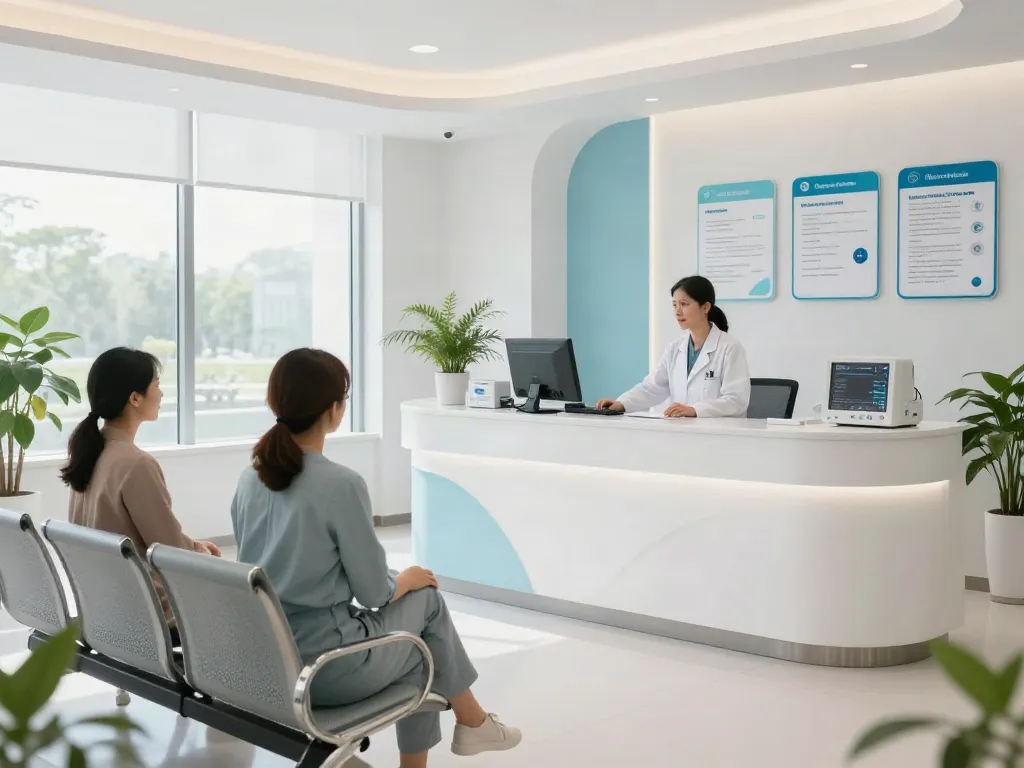
Understanding Healthcare Services: What to Expect
In today's complex healthcare landscape, understanding the services available to you is crucial for effective navigation of your health journey. Whether you are seeking routine check-ups, emergency care, or innovative telemedicine options, being informed empowers you to make better decisions regarding your healthcare. When exploring options, link slot provides comprehensive insights that can guide you through the intricacies of these services.
Primary Care: The First Point of Contact
Primary care serves as the cornerstone of healthcare, providing patients with comprehensive care for a variety of health issues. Your primary care provider (PCP) is responsible for preventive care, routine check-ups, and managing chronic conditions. This relationship is vital, as it helps facilitate referrals to specialists when needed, ensuring continuity of care. With advances in treatment protocols, patients can expect personalized care plans that address their unique health needs.
Emergency Services: When to Seek Immediate Help
Emergency services provide critical and immediate health care for serious medical conditions, such as heart attacks, severe injuries, or strokes. Recognizing when to seek emergency care can be life-saving; prompt action is essential. Emergency departments are equipped with advanced technology and staffed by specialists dedicated to addressing urgent health concerns. Understanding your symptoms and knowing when to visit the ER is crucial for optimizing your health outcomes.
Telemedicine: Innovative Online Consultations
Telemedicine has revolutionized how patients engage with healthcare providers, offering convenience and accessibility. Through video consultations, patients can receive medical advice, prescription refills, and even ongoing management of chronic diseases from the comfort of their homes. Telemedicine not only saves time but also ensures that patients do not overlook necessary medical advice due to barriers like transportation or mobility. It is becoming increasingly prominent as a viable option for healthcare delivery.
The Importance of Preventive Health Screenings
Preventive health screenings are essential for early detection of health issues and can significantly improve treatment outcomes. Regular screenings—such as blood pressure checks, cholesterol levels, and cancer screenings—help identify potential health risks before they escalate into more serious conditions.
Wellness Check-Ups: A Key to Proactive Health
Wellness check-ups allow for a thorough assessment of a person's health status, including lifestyle choices and risk factors. During these visits, healthcare providers often offer tailored recommendations for diet, exercise, and screenings appropriate for one's age and medical history. Having regular wellness visits can lead to better health management and foster a strong relationship with your healthcare provider.
Screening Tests: Essential for Early Detection
Screening tests play a vital role in identifying diseases early, when they are often more treatable. Common screenings include mammograms for breast cancer, colonoscopies for colon cancer, and blood tests for diabetes. Depending on individual risk factors, additional screenings may be warranted. It is vital to discuss with your healthcare provider which screenings are appropriate for you based on your personal and family medical history.
Vaccinations: Protecting Yourself and Your Community
Vaccinations are a cornerstone of preventive healthcare, protecting both individuals and the community from infectious diseases. Staying up-to-date with immunizations is essential not just for personal health but for public health as well. Vaccines undergo rigorous testing and scrutiny, ensuring they are safe and effective. Discussing your vaccination history with your healthcare provider ensures that you remain protected against diseases such as flu, hepatitis, and COVID-19.
Patient Rights: Navigating Healthcare Advocacy
Being informed about your rights as a patient can enhance your healthcare experience and empower you to advocate for yourself effectively. Understanding these rights is essential in navigating through the healthcare system.
Your Rights as a Patient: What You Should Know
As a patient, you have rights that include but are not limited to informed consent, privacy, and access to your medical records. The right to informed consent means you have the right to understand and agree to any treatment plan after being fully informed of the risks and benefits. Respect for patient privacy ensures your personal information is protected, while access to records allows you to stay informed about your health status.
Addressing Healthcare Complaints: The Process
If you encounter issues with your care, it is important to know the proper channels to address your concerns. Most healthcare facilities have established complaint processes that allow patients to express dissatisfaction and seek resolution. Engaging in open communication with your healthcare provider can often lead to satisfactory solutions and improvements in care delivery.
Accessing Medical Records: Your Entitlement
Patients have the right to access their medical records, including test results, treatment plans, and visit summaries. This transparency can foster better communication with your healthcare providers and enable you to take an active role in your health management. Utilizing this right can help you monitor your health trajectory and be more informed in discussions regarding treatment options.
Mental Health Awareness: Understanding and Seeking Help
Mental health is an integral part of overall well-being. Increasing awareness of mental health issues is essential for reducing stigma and promoting psychological well-being within communities.
Common Mental Health Disorders: Signs and Symptoms
Mental health disorders can take many forms, with conditions such as depression, anxiety, and bipolar disorder being prevalent. Recognizing the signs and symptoms is crucial for early intervention and appropriate assistance. If you experience persistent feelings of sadness, changes in mood, or disruptions in daily living, reaching out for professional help can pave the way for effective treatment and recovery.
Available Treatment Options: Finding the Right Fit
There are numerous treatment options available for mental health disorders, ranging from therapy and counseling to medication. Working with a mental health professional to determine the most suitable approach is essential tailored to individual needs and circumstances. Ongoing evaluations and adjustments to treatment plans can greatly enhance the effectiveness of mental health care.
Support Systems: Building a Network for Recovery
Having a solid support system can significantly impact recovery from mental health disorders. Encouraging connections with friends, family, or support groups can provide necessary emotional and practical support during challenging times. This social network can facilitate healing and resilience as individuals navigate their mental health journeys.
Chronic Disease Management: Living Well with Long-Term Conditions
Chronic diseases, such as diabetes, cardiovascular diseases, and chronic respiratory issues, impact millions worldwide. An effective management plan is key to living well and mitigating complications associated with these conditions.
Diabetes Management: Tools and Resources
Managing diabetes requires a comprehensive approach that includes regular monitoring of blood sugar levels, adherence to prescribed medications, and lifestyle modifications. Tools such as glucose monitors and diabetes management apps can help patients track their health status effectively. Personalized care plans developed with healthcare providers enhance the management of this condition and improve long-term health outcomes.
Heart Health: Understanding Cardiovascular Disease
Cardiovascular disease (CVD) is a leading cause of morbidity and mortality globally. Understanding risk factors, such as high blood pressure, cholesterol levels, and lifestyle choices, is essential for effective prevention and management. Health providers may recommend lifestyle interventions, medications, or procedures to address individual risk profiles aimed at promoting heart health.
Strategies for Adapting Lifestyle: Nutrition and Exercise
Adopting a healthy lifestyle is critical for managing chronic diseases. Eating a balanced diet rich in fruits, vegetables, and whole grains, combined with regular physical activity, can improve overall health and reduce the risk of disease progression. Integrating small, sustainable changes into daily routines can lead to significant health improvements over time.
FAQs
1. How can I choose the right healthcare provider?
Choosing the right healthcare provider is essential for receiving personalized and effective care. Consider factors such as the provider's credentials, areas of specialization, and patient reviews. It's also important to ensure that the provider's approach aligns with your health philosophy and preferences.
2. What do I need to know about telemedicine services?
Telemedicine services can be a convenient option for patients, offering flexibility and access to care without the need for in-person visits. Before using telemedicine, ensure you understand how to use the technology and verify that your insurance covers virtual visits.
3. How do I understand my patient rights?
Familiarizing yourself with your patient rights promotes confidence and advocacy in your healthcare experiences. Resources such as healthcare facilities' guides and national health websites provide valuable information on patient rights, ensuring you are well-informed.